
What is the Skull Museum?

Nice to meet you. I am Yamamoto, the director of the Skull Museum. We are a private museum located in Amagasaki, Hyogo Prefecture, specializing in an extraordinary collection of skulls from around the world.
You might recognize us by the massive skull-shaped building along National Route 2—where the windows form the eyes and nose, and even the cheekbones are part of the architecture! While it might look a bit intimidating at first, it’s actually a place filled with a playful and welcoming spirit.
The museum spans three floors, displaying approximately 1,000 items selected from the 8,000-piece collection gathered by our founder, Dr. Keiji Kawamoto. From real skeletal remains and replicas to skull-themed accessories and paintings, the galleries are packed with everything imaginable related to skulls.
Regardless of wealth or status, every person possesses a skull, and eventually, we all return to bone. The theme of the Skull Museum is to reflect on the preciousness of life and the meaning of existence through the lens of death represented by the skull—inspiring us all “To Live Better.”
Please come and step into the unique world of the Skull Museum, where science and culture converge. You are sure to make new discoveries here. We look forward to welcoming you!
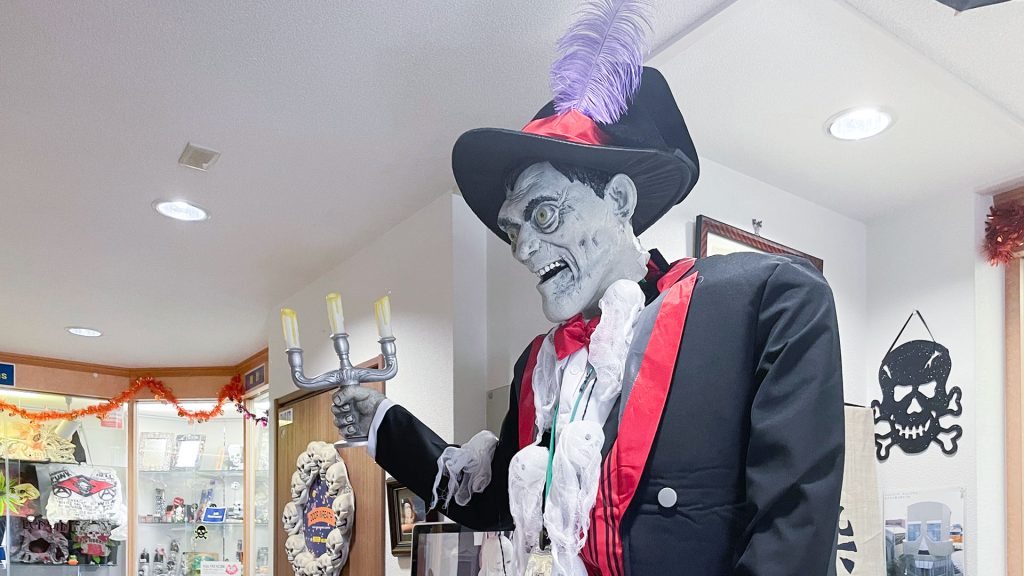
1F: Lifestyle Exhibition
A towering 2-meter-tall butler greets you at the entrance. This floor features everyday items adorned with skull motifs—T-shirts, alcohol bottles, cups, watches, and lighters. You will also find a variety of intriguing and humorous art objects.
2F: Halloween and Culture
This floor showcases skull collections from various countries. With toys that move at the push of a button or react to sound, it is a favorite for children. There is also a special corner with blacklights behind a curtain, offering a unique visual experience. Additionally, you can explore cultural artifacts, such as ritual tools actually used in festivals across Southeast Asia.

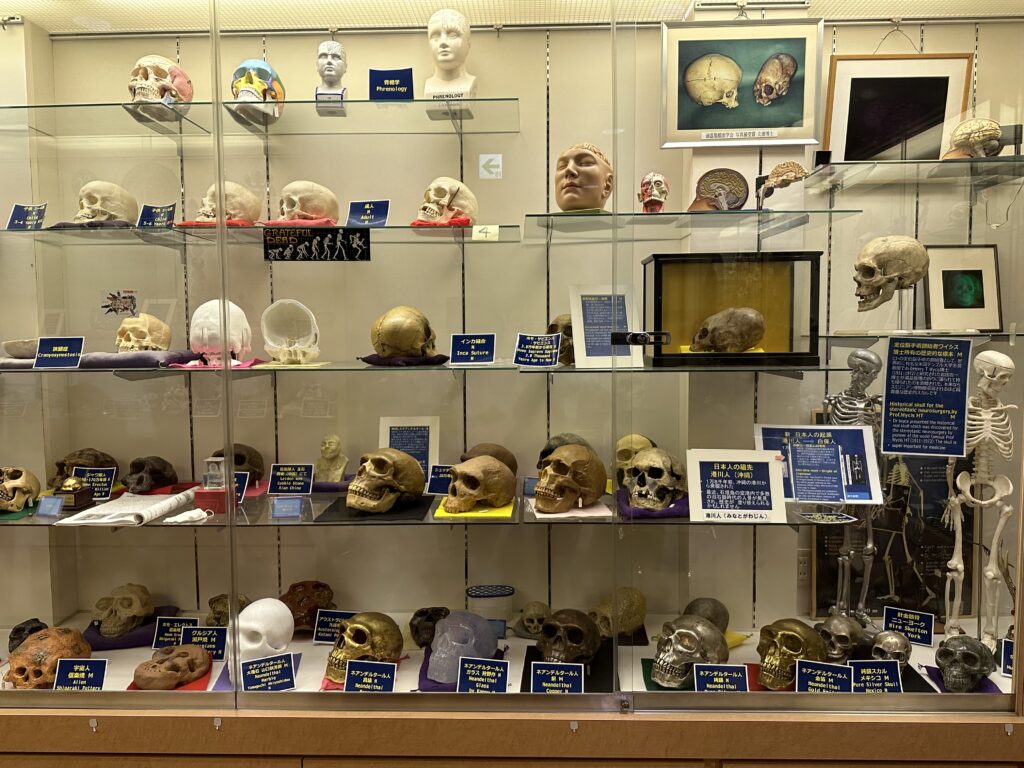
3F: Science Exhibition
This floor houses skulls of immense academic value that are rarely seen elsewhere. Highlights include the world’s largest wooden skull (meticulously carved over three years from a single paulownia tree with anatomical precision), a series showing the transition of the human skull from fetus to adult, and pathological specimens such as craniosynostosis and hydrocephalus. You can also see ancient Peruvian deformed skulls and “skull cups” used in ancient religious rituals.
Access Information
Click here for detailed access information.